Original: $150.00
-65%$150.00
$52.50The Story
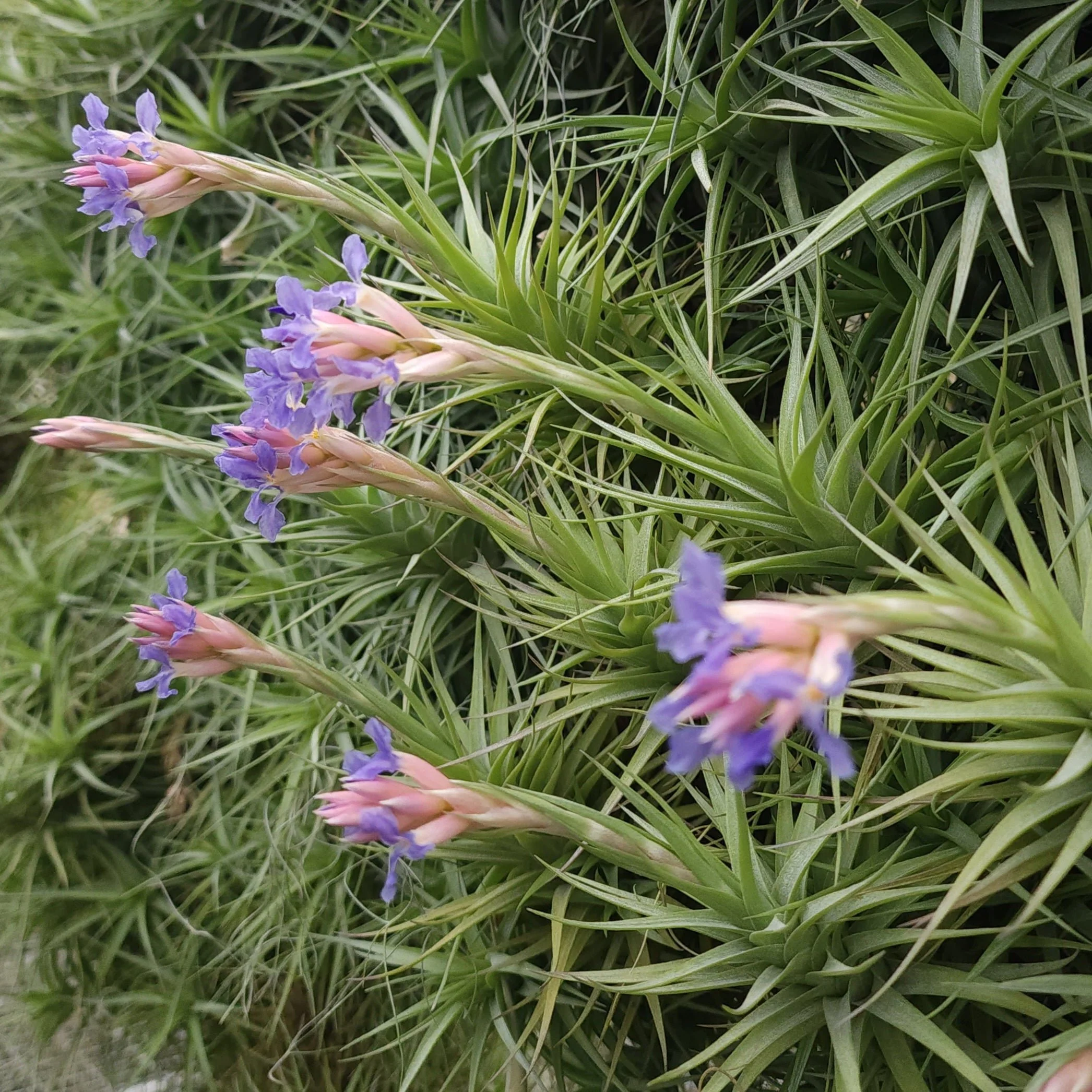
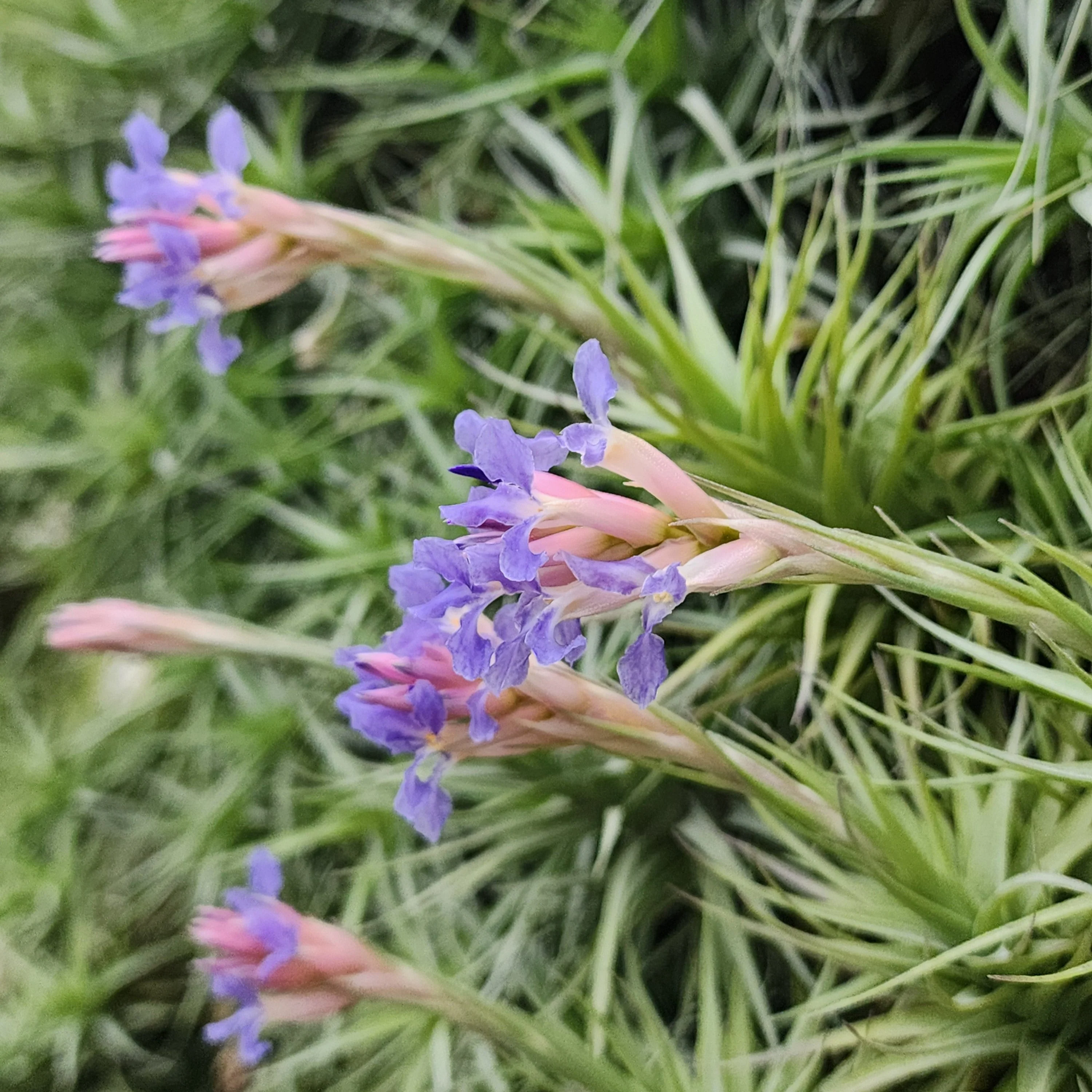
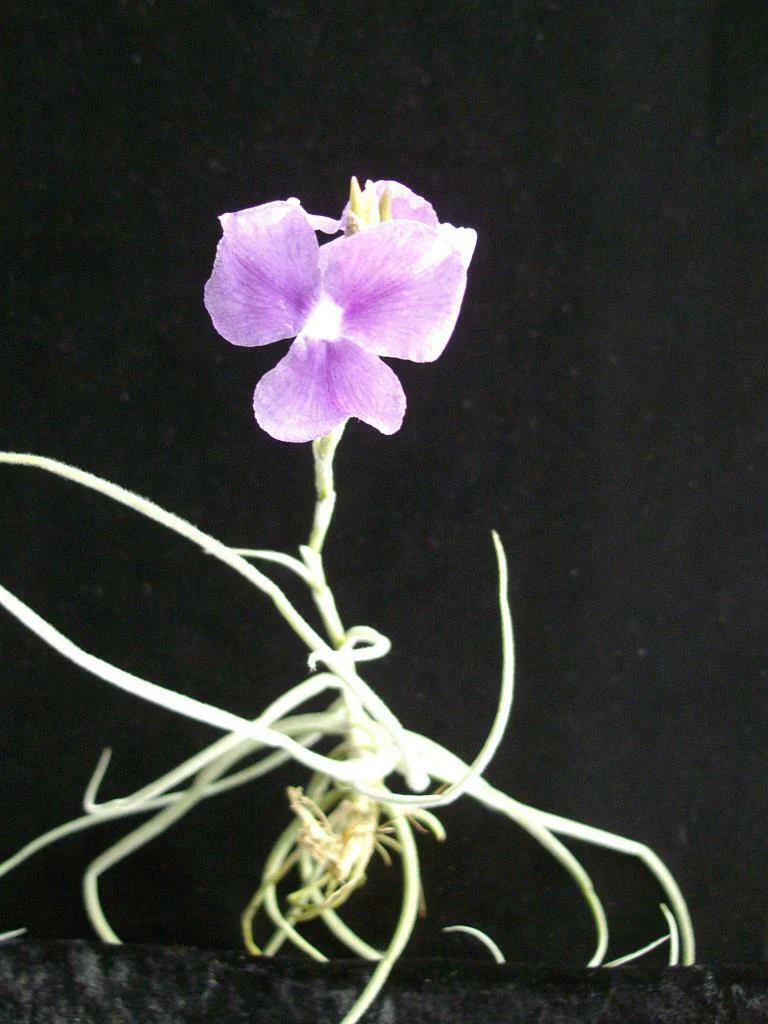
Bollea coelestis 'Blue' is one of the most sought-after species in the Oncidiinae alliance, renowned for its exceptionally vibrant lavender-blue flowers. The broad, flat blooms are beautifully contrasted by a white lip marked with deep violet and yellow, creating one of the most striking floral displays found within the group.
Native to the cool, misty cloud forests of Colombia, this species thrives in intermediate conditions with high humidity and good air movement. Flowering from mature pseudobulbs, well-grown plants produce elegant arching spikes carrying numerous long-lasting blooms.
Care
- Light: Bright filtered light with protection from direct afternoon sun.
- Water: Keep evenly moist during active growth, allowing the media to become only slightly dry between waterings.
- Temperature: Intermediate conditions (12–25°C), with cool nights encouraging strong growth.
- Humidity: Prefers 60–80% humidity with excellent air movement.
- Growing Media: Fine to medium orchid bark with added sphagnum moss or perlite for moisture retention.
- Feeding: Apply a balanced orchid fertiliser every two weeks during active growth.
Key Characteristics
- Species orchid from the cloud forests of Colombia
- Large lavender-blue flowers with excellent colour intensity
- Broad white lip with violet and yellow markings
- Produces arching spikes carrying multiple blooms
- Flowers are long-lasting and lightly fragrant
- Flowering season: Spring to early summer
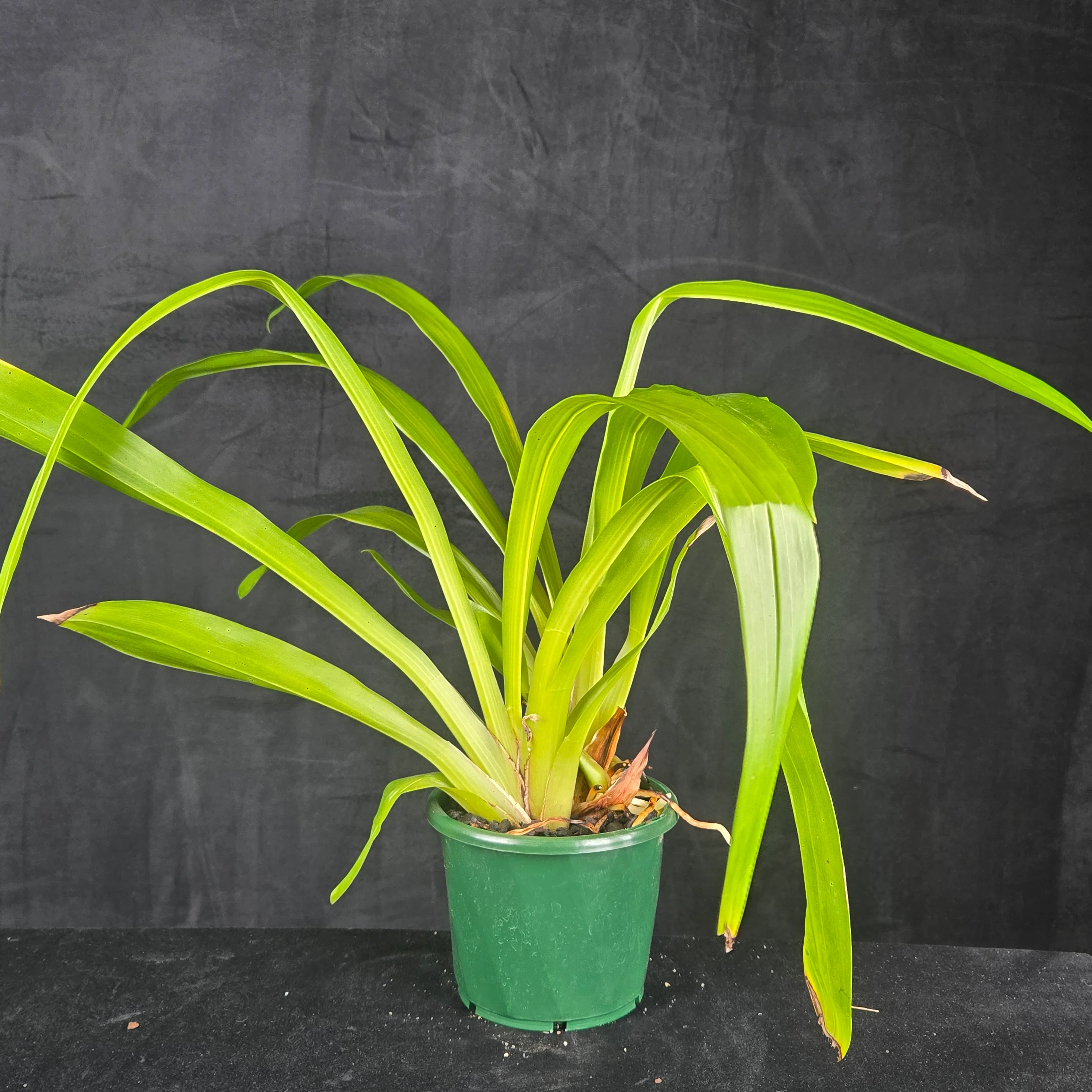
- Compact to medium-sized plant with attractive pseudobulbs
- Highly prized collector's species that is rarely available.
Winter Care
Bollea coelestis does not require a true winter dormancy. Growth naturally slows during cooler weather, so reduce watering slightly while ensuring the pseudobulbs do not shrivel. Maintain bright filtered light, good humidity and air movement throughout winter. Resume regular watering and feeding as new growth begins in spring.
Details & Craftsmanship
Every detail has been carefully considered to bring you the perfect product.

Details & Craftsmanship
Every detail has been carefully considered to bring you the perfect product.
Description
Bollea coelestis 'Blue' is one of the most sought-after species in the Oncidiinae alliance, renowned for its exceptionally vibrant lavender-blue flowers. The broad, flat blooms are beautifully contrasted by a white lip marked with deep violet and yellow, creating one of the most striking floral displays found within the group.
Native to the cool, misty cloud forests of Colombia, this species thrives in intermediate conditions with high humidity and good air movement. Flowering from mature pseudobulbs, well-grown plants produce elegant arching spikes carrying numerous long-lasting blooms.
Care
- Light: Bright filtered light with protection from direct afternoon sun.
- Water: Keep evenly moist during active growth, allowing the media to become only slightly dry between waterings.
- Temperature: Intermediate conditions (12–25°C), with cool nights encouraging strong growth.
- Humidity: Prefers 60–80% humidity with excellent air movement.
- Growing Media: Fine to medium orchid bark with added sphagnum moss or perlite for moisture retention.
- Feeding: Apply a balanced orchid fertiliser every two weeks during active growth.
Key Characteristics
- Species orchid from the cloud forests of Colombia
- Large lavender-blue flowers with excellent colour intensity
- Broad white lip with violet and yellow markings
- Produces arching spikes carrying multiple blooms
- Flowers are long-lasting and lightly fragrant
- Flowering season: Spring to early summer
- Compact to medium-sized plant with attractive pseudobulbs
- Highly prized collector's species that is rarely available.
Winter Care
Bollea coelestis does not require a true winter dormancy. Growth naturally slows during cooler weather, so reduce watering slightly while ensuring the pseudobulbs do not shrivel. Maintain bright filtered light, good humidity and air movement throughout winter. Resume regular watering and feeding as new growth begins in spring.